Discovering Scuba Diving Bali
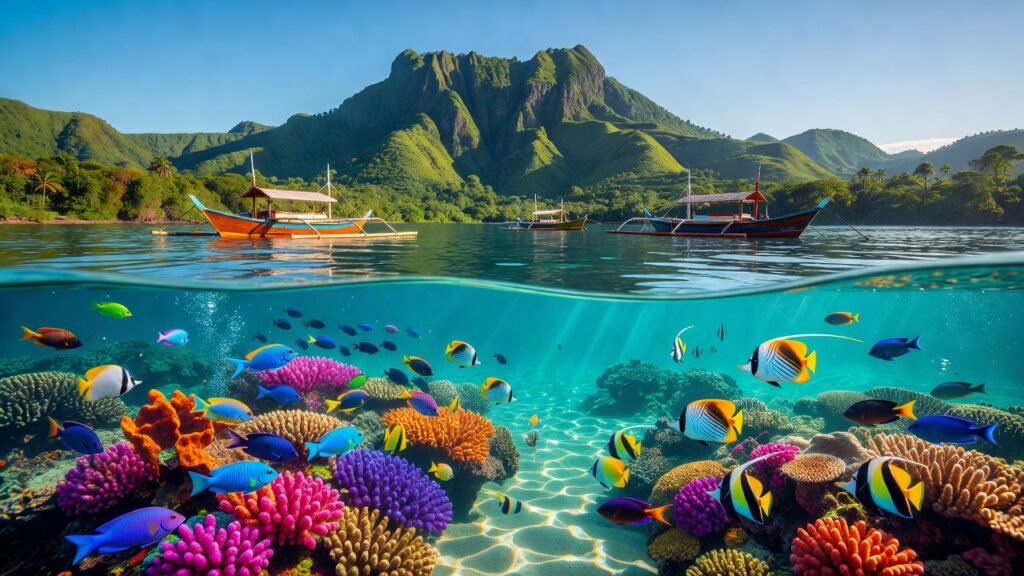
Traveling to Indonesia is a magical adventure, but exploring its underwater world is an experience that is simply unforgettable. The Island of the Gods is home to some of the most beautiful coral reefs on the planet. Whether you are a seasoned diver or a curious begier, scuba diving Bali offers exceptional biodiversity right at the heart of the Coral Triangle. From majestic manta rays to historic World War II shipwrecks, every single dive holds its share of incredible surprises. To best prepare for your dream getaway, don’t hesitate to plan your Bali trip to perfectly combine land adventures with aquatic wonders.
Detailed Guide to the Best Dive Sites
The island is packed with legendary sites suitable for all experience levels. For history buffs, the Tulamben Liberty wreck is an absolute must-see. This American cargo ship, which ran aground just a few meters from the shore, is accessible even to first-time divers for around €50 for a double dive. If you prefer pelagic encounters, Nusa Penida diving will allow you to swim with the famous manta rays and the mysterious Mola Mola at Crystal Bay (expect to pay around €90 for two dives). For a quieter atmosphere and pristine coral gardens, opt for Amed diving, which is ideal for macro photography at a rate of around €40 per trip. If you do not have a license yet, getting a Bali diving certified package (such as the PADI Open Water) is highly accessible here, costing between €300 and €380 all-inclusive. For those traveling with family or who prefer to stay on the surface, you can also check out our guide on snorkeling in Bali before taking the plunge.
Practical Advice for Your Stay
To ensure your underwater experience goes as smoothly as possible, here are some essential recommendations to follow:
- Choose the right season: Aim for the period from May to November for optimal underwater visibility.
- Verify credentials: Always dive with recognized PADI or SSI affiliated centers to guarantee your safety.
- Respect the marine charter: Never touch the corals or wild animals during your excursions.
- Vary the pleasures: After your dives, explore the island by booking a Bali rafting session or a Bali ATV quad biking adventure.
- Specific insurance: Make sure your travel insurance properly covers recreational underwater activities.
Comparative Table of Dive Spots
Here is a comparative overview of the best spots to help you organize your diving trips on the island:
| Dive Spot | Average Depth | Estimated Price (2 dives) | Main Attraction |
|---|---|---|---|
| Tulamben (Liberty) | 5m – 30m | €50 | Historic shipwreck |
| Nusa Penida | 10m – 40m | €90 | Manta Rays |
| Amed | 5m – 25m | €45 | Corals & Macro |
FAQ – Frequently Asked Questions
When is the best time for scuba diving Bali?
The best season runs from May to November, during the dry season. Visibility is excellent then, reaching up to 30 meters. This is also the ideal time to spot the Mola Mola iusa Penida between July and October.
Can you dive in Bali without a license?
Yes, absolutely. Begiers can do a “Discovery Dive” (Discover Scuba Diving). You will be constantly accompanied by a certified instructor to safely explore shallow areas such as Tulamben or Amed.
Where can you see manta rays in Bali?
The ultimate spot is Manta Point, located south of Nusa Penida. These majestic creatures are present there almost all year round, thanks to a natural cleaning station where they come to feed and get cleaned.
Plan Your Aquatic Adventure Today
In conclusion, scuba diving Bali is a magical sensory experience that will leave a lasting impression on your life as a traveler. From the colorful reefs of Amed to the marine giants of Nusa Penida, adventure awaits just beneath the surface of the Indian Ocean. Ready to take the plunge? Don’t wait any longer to book your excursions and plan your unforgettable Bali trip today with our local expert guides.