Sustainable Travel in Indonesia: Your Trusted 2026 Complete Guide
Table of Contents
- Introduction: The Era of Sustainable Travel in Indonesia
- What is Eco-Responsible Travel in Indonesia?
- Top 5 Destinations for Sustainable Travel in Indonesia
- Where to Stay? The Best Eco-Accommodations
- Positive Impact Activities: Beyond Mere Tourism
- Ecotourism Regional Comparison Table
- Practical Tips to Reduce Your Carbon Footprint
- Salut Bali’s Commitment to Ethical Tourism
- FAQ: Frequently Asked Questions on Sustainable Travel
Introduction: The Era of Sustainable Travel in Indonesia
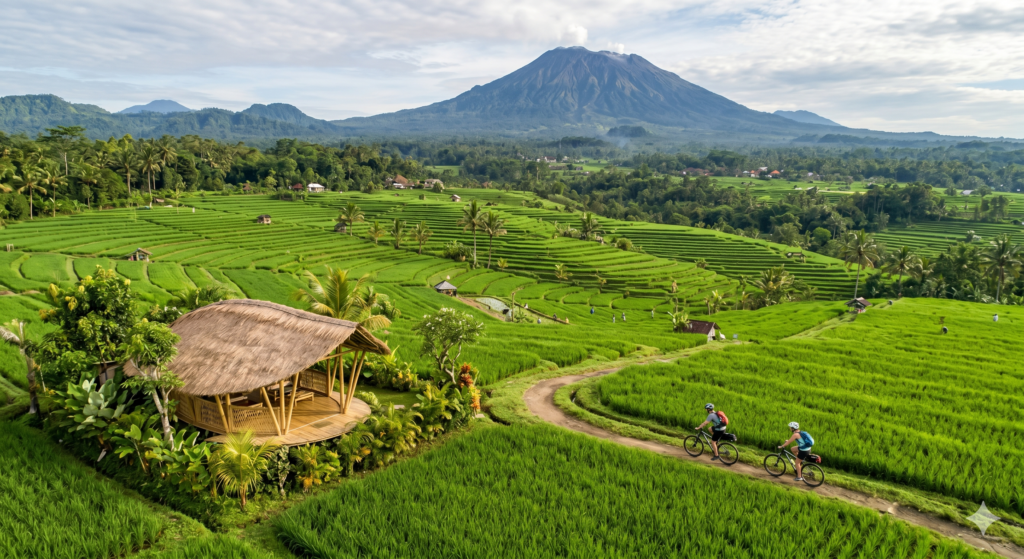
Indonesia, the world’s largest archipelago, is undergoing an unprecedented green revolution. Today, sustainable travel in Indonesia is no longer merely an option for a select few; it has become an absolute necessity to preserve the fragile beauty of its 17,000 islands. Whether you dream of Bali’s terraced rice fields, Sumatra’s dense jungles, or Raja Ampat’s coral reefs, an eco-responsible approach is redefining how we discover this tropical paradise.
Opting for sustainable travel in Indonesia means choosing a profound immersion that respects both local ecosystems and ancient traditions. At Salut Bali, as expert local agents, we have witnessed an explosion in demand for more conscious tourism. This ultimate guide is designed to help you navigate the country’s best eco-responsible options, ensuring a luxurious, authentic, and unforgettable stay.
What is Eco-Responsible Travel in Indonesia?
The concept of sustainable travel in Indonesia is built upon three fundamental pillars: environmental preservation, support for local economies, and cultural enrichment. In 2026, with evolving search algorithms and growing global awareness, the focus is increasingly shifting towards “Slow Travel.”
Responsible tourism here does not imply sacrificing comfort. Instead, it involves prioritizing establishments that utilize renewable energy, implement efficient waste management systems, and predominantly employ residents from nearby villages. By choosing sustainable travel in Indonesia, you directly contribute to safeguarding UNESCO World Heritage sites such as the Borobudur temple complex or Komodo National Park.
Top 5 Destinations for Sustainable Travel in Indonesia
1. Bali: The Avant-garde of Ecotourism
Bali remains the flagship destination for sustainable travel in Indonesia. Far beyond the bustling crowds of Kuta, the island’s northern and western regions offer sanctuaries of biodiversity. Bali Barat National Park, for instance, serves as a model of conservation where visitors can observe the Bali Starling, a species once critically endangered.
For an authentic experience, we recommend a custom trip to Bali focused on the villages of Munduk and Sidemen. Here, sustainable agriculture and adherence to the “Tri Hita Karana” philosophy (harmony between humans, nature, and the divine) remain central to daily life.
2. Sumatra: Encountering the Last Orangutans
Sumatra is the quintessential destination for those seeking sustainable travel in Indonesia amidst the wild jungle. In Bukit Lawang or Ketambe, ecotourism stands as the sole defense against deforestation. By engaging certified guides, you directly fund forest patrols and the protection of orangutan habitats.
3. Flores and Komodo: Protecting Marine Life
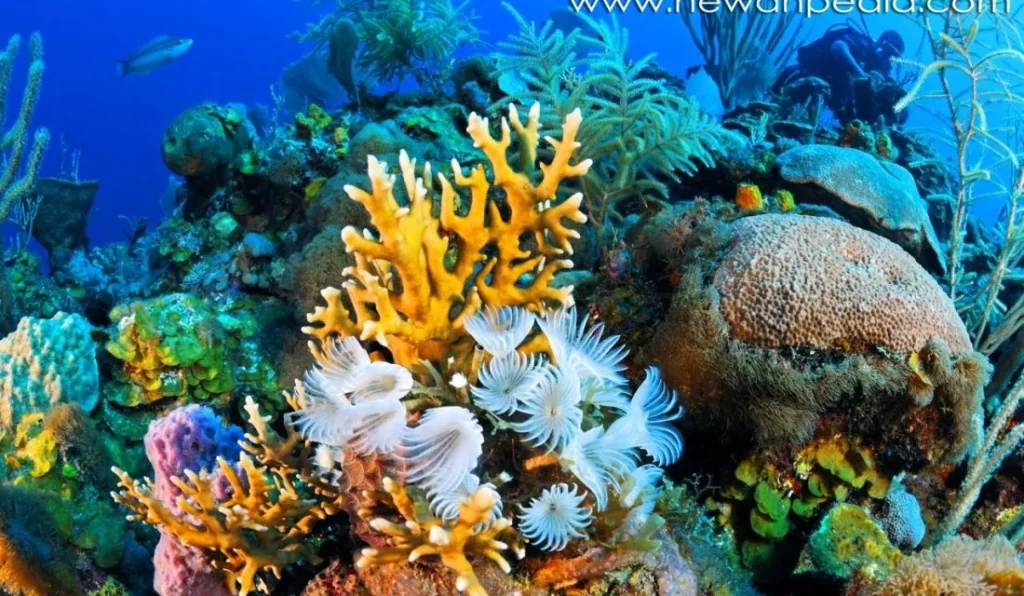
Komodo National Park has implemented strict quotas and conservation fees to protect its famous dragons and vibrant corals. Sustainable travel in Indonesia now includes traditional phinisi boat cruises equipped with water filtration systems to avoid single-use plastic bottles.
4. Raja Ampat: The Last Eco-Conscious Paradise
Considered the global epicenter of marine biodiversity, Raja Ampat is a shining example of community-based management. Here, overwater homestays are managed by local families, ensuring that tourism revenues directly benefit those who protect the reef.
5. Java and the Karimunjawa Archipelago
For sustainable travel in Indonesia off the beaten path, turn your attention to Java. Destinations in Java like Meru Betiri National Park offer unique opportunities to participate in marine turtle protection, far from mass tourism.
Where to Stay? The Best Eco-Accommodations
Accommodation is a key element of your sustainable travel in Indonesia. The country has become a global benchmark for bamboo architecture and biophilic design. Choosing a hotel certified “EarthCheck” or a member of “Green Globe” guarantees minimal environmental impact.
- Bamboo Mansions in Ubud: Magnificent structures built without a single iroail, utilizing naturally treated bamboo.
- Seaside Eco-Lodges in Lombok: These lodges use solar energy and seawater desalination. For more ideas, consult our guide on Lombok and its treasures.
- Luxury Camps (Glamping): An immersive way to live closer to nature without encroaching on forest land.
Positive Impact Activities: Beyond Mere Tourism
To ensure your sustainable travel in Indonesia is truly transformative, prioritize activities that give back to the community:
- Beach Clean-ups with Local NGOs: Organizations like Trash Hero Bali host weekly clean-ups.
- “Farm-to-Table” Cooking Classes: Learn to cook with organic produce harvested the same morning from a community garden.
- Traditional Craft Workshops: Support the weaving of Ikat or the crafting of Batik, valuable skills at risk of disappearing.
- Participatory Reforestation: Plant mangroves along the coasts to combat erosion.
Ecotourism Regional Comparison Table
Here is an overview of the best options for organizing your sustainable travel in Indonesia based on your interests:
| Region | Eco-Responsible Strength | Protected Species / Site | Adventure Level |
|---|---|---|---|
| Bali (West/North) | Community Management (Subak) | Bali Starling | Moderate |
| Sumatra (Leuser) | Primate Conservation | Sumatran Orangutan | High |
| Raja Ampat | Marine Sanctuary | Manta Rays & Corals | Expert |
| Sumba | 100% Renewable Energy | Megalithic Culture | High |
| Flores | Terrestrial Ecotourism | Komodo Dragon | Moderate |
Practical Tips to Reduce Your Carbon Footprint
Embarking on sustainable travel in Indonesia requires some preparation. Here are a few simple yet essential actions:
- Zero Plastic: Carry a filtered water bottle. Most eco-responsible hotels offer free water refilling stations.
- Local Transport: Prioritize trains in Java or electric bikes in Bali over short domestic flights or individual cars.
- Wildlife Respect: Never touch wild animals, do not feed monkeys, and boycott parks offering elephant rides or tiger photo opportunities.
- Direct Support: Purchase your souvenirs directly from artisans, bypassing industrial intermediaries.
Salut Bali’s Commitment to Ethical Tourism
At Salut Bali, we believe that sustainable travel in Indonesia is the only path forward. As a local agency, we rigorously select our partners. We prioritize local drivers, French-speaking guides trained in environmental protection, and accommodation structures that offset their carbon footprint.
We work in close collaboration with Indonesian authorities and the Ministry of Tourism to promote lesser-known gems and prevent the oversaturation of iconic sites. By plaing your sustainable travel in Indonesia with us, you are guaranteed an authentic experience, away from the crowds, where every dollar spent contributes to the well-being of the archipelago.
FAQ: Frequently Asked Questions on Sustainable Travel
Are sustainable trips in Indonesia more expensive?
Not necessarily. While some luxury eco-lodges have higher costs due to their green technologies, responsible travel can also mean staying with locals and eating local, which significantly reduces the budget.
What is the best period for ecotourism in Indonesia?
The dry season (May to September) is ideal for most regions. However, traveling during the green season (October to April) allows you to support local communities during off-peak periods while enjoying lush landscapes.
Can sustainable travel in Indonesia be done with family?
Absolutely! It’s an extraordinary educational opportunity for children. Many conservation centers offer educational programs specifically designed for young travelers.
How does Salut Bali offset flight emissions?
We encourage our clients to contribute to coral or mangrove planting programs that we directly sponsor on-site.
In conclusion, Indonesia awaits you with open arms and wild nature. Embracing sustainable travel in Indonesia ensures that future generations can also marvel at the splendor of this unique archipelago.
For more information on official Indonesian initiatives, visit the Wonderful Indonesia website.
Contact Tri Mulia Bangun Persada today to discuss your industrial, commercial, hospital, or infrastructure project with our experienced engineering and construction team.